Picture yourself on the shore of an azure lagoon, the wind screaming through jagged granite peaks thrusting up like spears into the sky, and nothing but silence in your ears save for a glacier larger than Rhode Island looming just a few miles away. This is Patagonia hiking; it goes beyond mere walking and becomes pure exploration. A raw, untouched wilderness that tests your body and soul.
In this guide, we’ll look into what really makes Patagonia Hiking is a bucket-list adventure. From the world-famous W Trek to secluded secrets well off the beaten track, we’ll help you plan and prepare for your trek, covering everything from how to get there, what to take, and how best to respect one of our planet’s most beautiful places.
What is Patagonia Hiking?
Patagonia hiking is walking through the wide-open, thinly-inhabited world at the southern end of South America, which Argentina and Chile share. It is a country of contrast, characterised by the Andes mountains, huge ice fields, pampas (grasslands), and fjords.
While the manicured trails of the Swiss Alps, or high-altitude challenges of the Himalayas, aren’t for everyone, Patagonia provides that rare, remote, rugged beauty. It’s famous for its volatile weather, where you can have four seasons in one day, and its expansive, dramatic, and varied landscapes. Patagonia Hiking adventure travel includes hikes for everyone from experienced mountaineers to beginners, with routes running the gamut from easy half or full-day walks to challenging multi-day treks.
Best Trails in Patagonia
The hardest part is figuring out where to begin when planning your visit. Here are the heavy hitters, the trails that have brought Patagonia Hiking to the world’s attention.
W Trek (Torres del Paine, Chile)
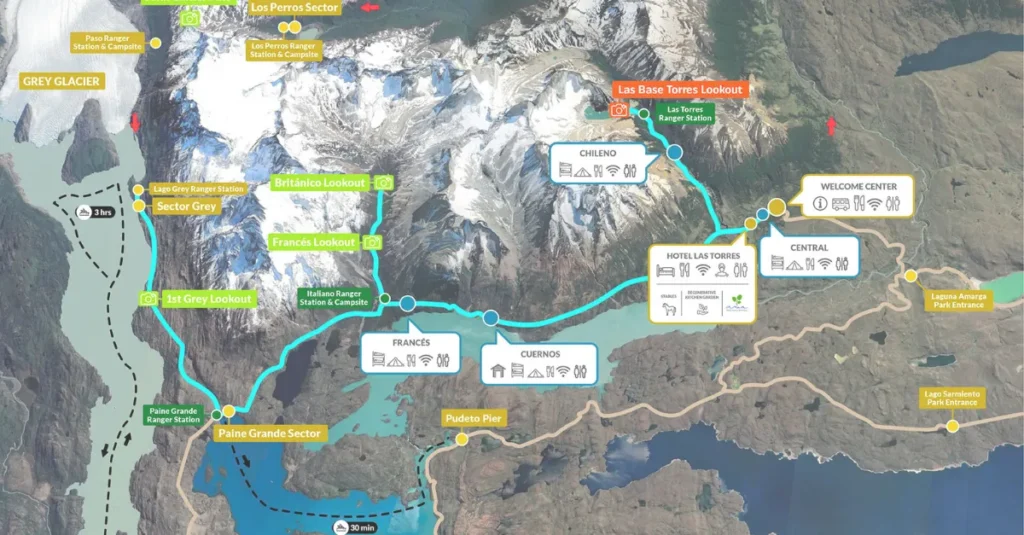
It’s possibly the most popular hike in this area. Red: The W Trek, which leads you deep into the heart of Torres del Paine National Park. In the 4-to-5-day journey, you’ll see the iconic granite towers (The Torres), the gargantuan Grey Glacier, and the French Valley. It is popular for a reason: the infrastructure is good, with refugios (mountain huts) making it accessible to people who don’t want heavy camping kit weighing them down.
The O Circuit (Torres del Paine, Chile).
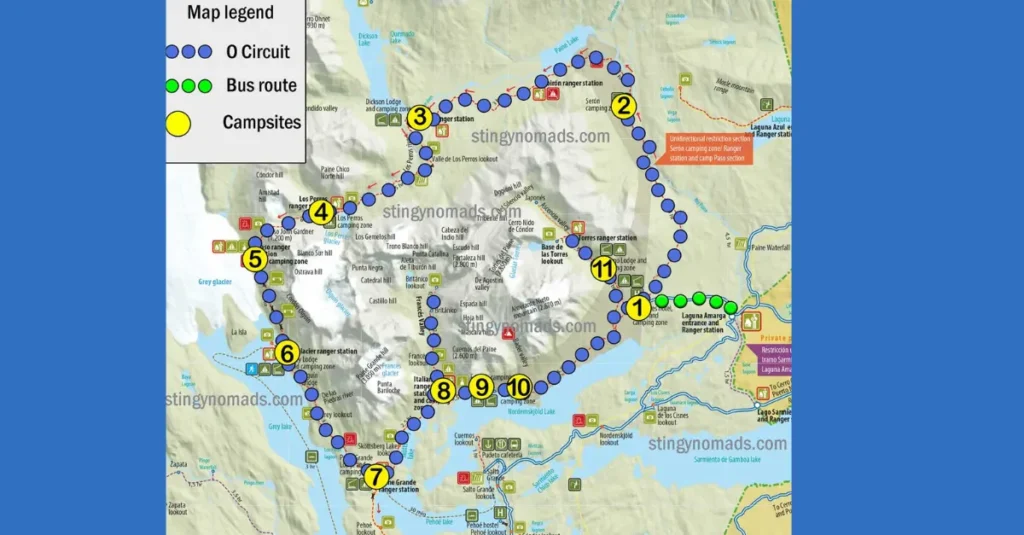
If you’d like a bit more solitude than the W Trek provides, the O Circuit circumnavigates around the back of the Paine Massif. This encompasses everything on the W, as well as more remote passes like John Gardner Pass, which gives you a stunning view of the Southern Patagonian Ice Field. This 7-to-9-day trek will demand more preparation and guts.
On the Fitz Roy Trek (El Chaltén, Argentina)
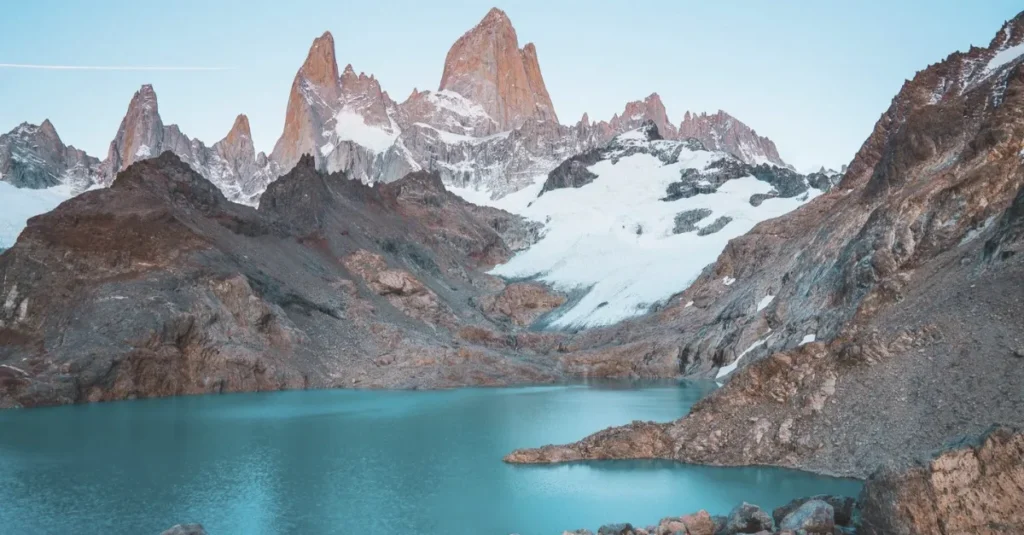
El Chaltén Argentina’s trekking capital. From the edge of town, you have world-class hiking access. The trail leading to Laguna de los Tres provides this iconic view of Mount Fitz Roy. Unlike the circuits in Chile, more often than not, these are day hikes, so you can sleep in a comfortable bed back in town and have something hot to eat every night.
Dientes de Navarino (Tierra del Fuego, Chile)
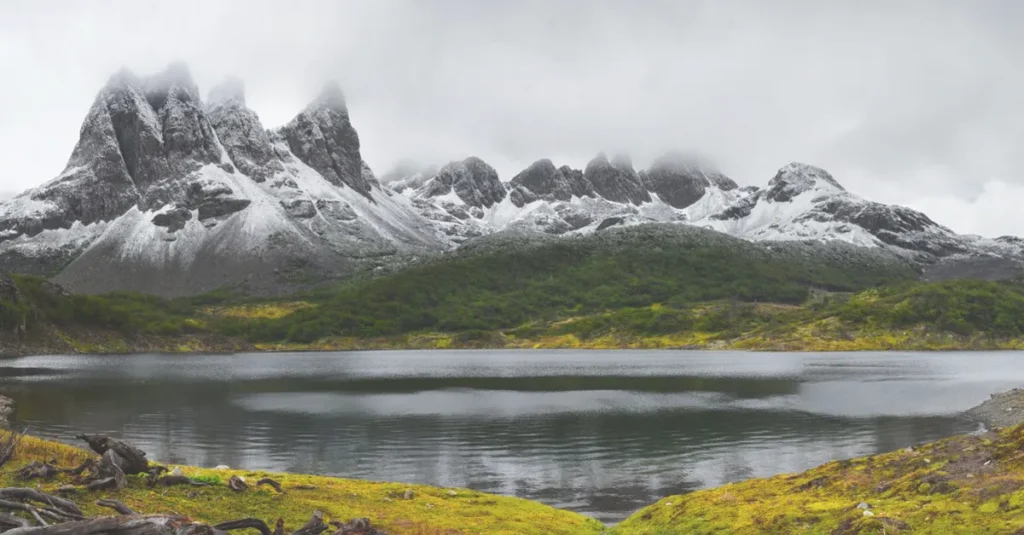
Unofficially known as the “southernmost trek in the world,” this route is for experienced trekkers. It’s the untamed and unmarked terrain on Navarino Island that demands strong navigation skills. You will hike over peat bogs and rocky passes, and enjoy views of Cape Horn and the Beagle Channel.
Patagonia’s Most Scenic Hiking Destinations
The remarkable diversity of landscapes is what sets the best Patagonia hiking trails apart.
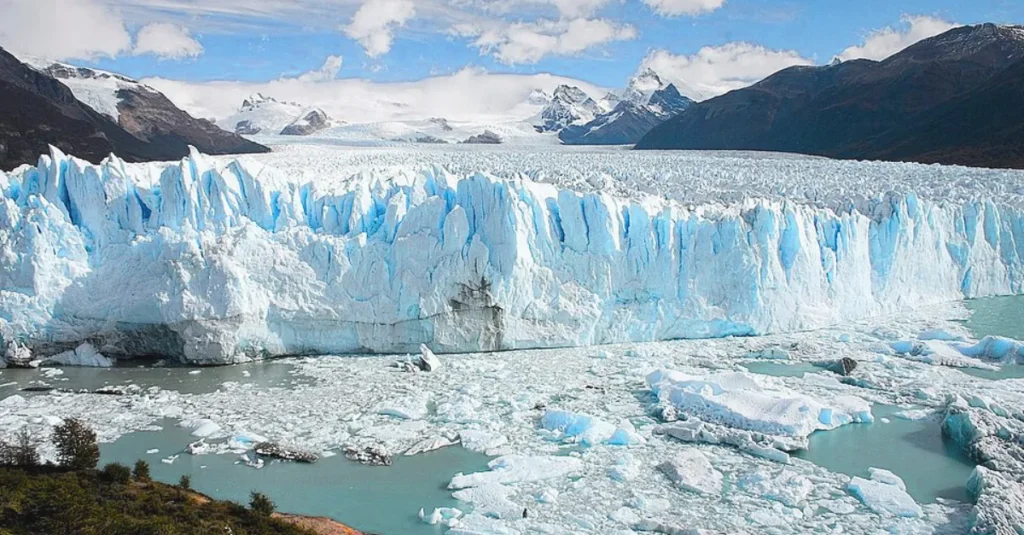
Glacier Grey & Perito Moreno:
There are few places on earth where you can hike this close to advancing glaciers. The size of the ice walls, which tend to be 200 feet or more above water, is humbling.
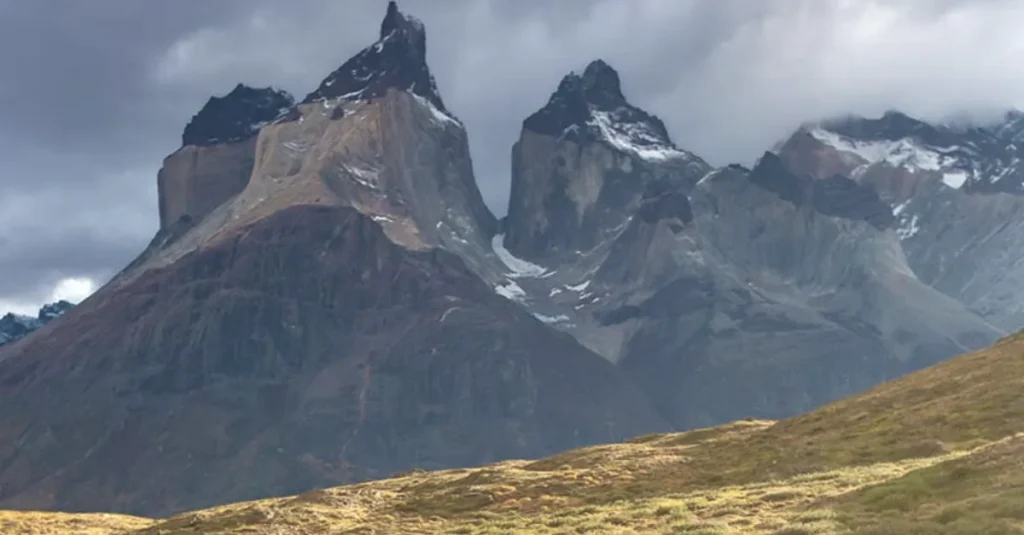
The Horns (Los Cuernos):
The black slate topping the grey granite of these two-toned rock formations in Torres del Paine is a geological wonder.
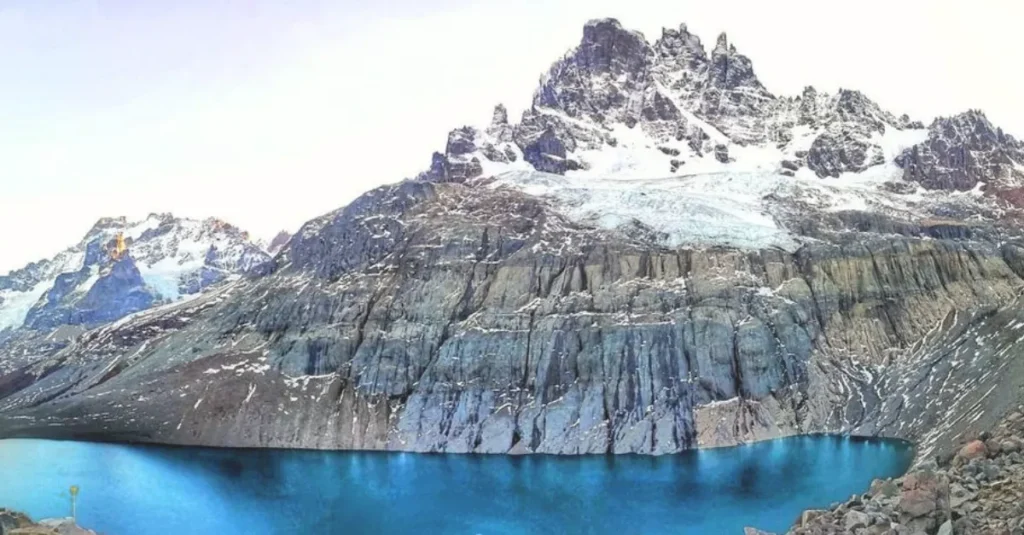
Cerro Castillo:
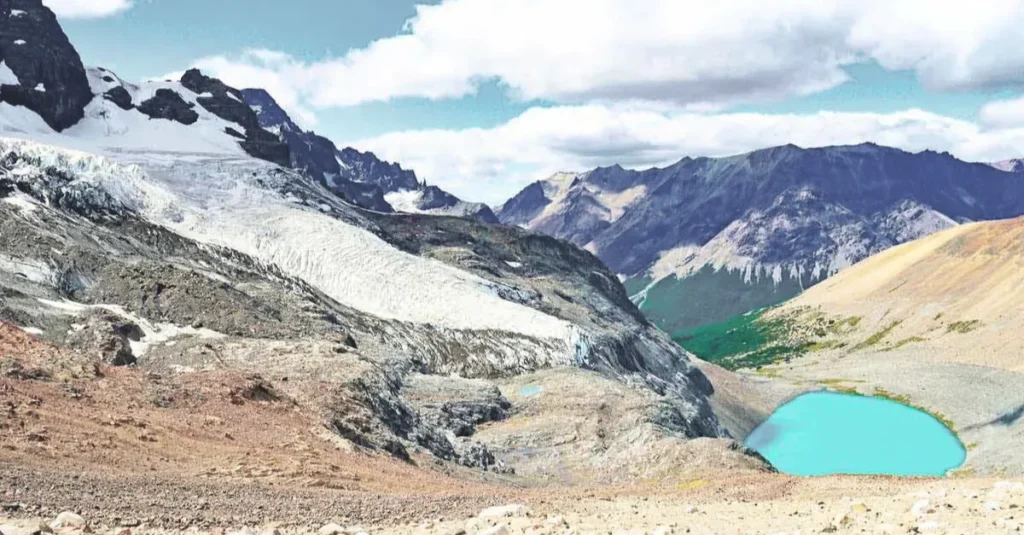
Often described as a mini Torres del Paine but without the crowds, this Aysén reserve boasts an incredible turquoise lagoon at the base of saw-toothed basalt spires.
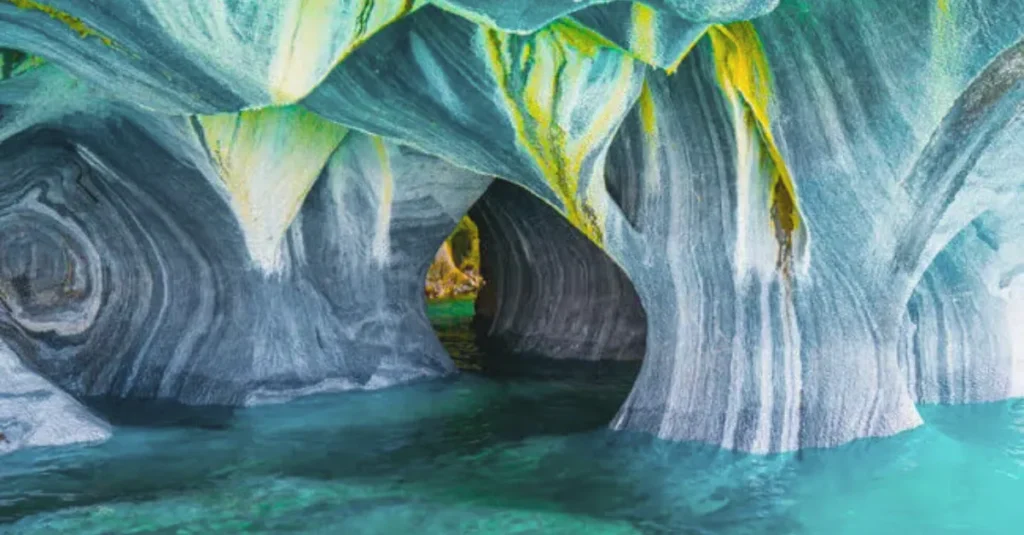
Marble Caves:
This is a kayaking location in practice, but the trails near General Carrera Lake feature routes for hiking and views of bright blue waters hitting marble cathedrals.
Planning for Patagonia Hiking
Hiking here is not a day in the park, and the climb requires mental as well as physical fitness.
Physical Training
You don’t have to be an Olympic athlete, but endurance is crucial. Work on cardio and develop leg strength. Add stair climbing and long walks with a weighted pack into your training regimen months before your trip. It is rock-strewn, uneven, and steep.
Gear Essentials
The wind in Patagonia Hiking is infamous. Your equipment needs to hold fast in 60 mph (100 km/h) gusts.
- Layers: Avoid cotton. Wear merino wool base layers, a warm fleece or down, and a good waterproof and windproof outer layer.
- Footwear: A good pair of Waterproof hiking boots, with ankle support, is a must! Break them in thoroughly before you get there.
- Poles: They are so helpful for stability in high winds and saving your knees on the downhill.
Mental Preparation
Be ready for plans to change. The weather dictates everything here. What starts as a fine morning can become snowy by the afternoon. Your best assets are flexibility and a good attitude.
Guided vs. Independent Hiking
Guided tour or solo is one of the biggest decisions.
- Guided Tours: Good for solo trekkers or those unfamiliar with multi-day trekking. Guides help with logistics, meals, and safety. They offer local expertise in flora, fauna, and geology that adds value.
- Independent Walking: There is total freedom, and it costs much lower. Trails such as the W or Fitz Roy are easy to navigate, since paths are well-marked. But reserving campsites in Torres del Paine can be a bureaucratic mess that involves months of planning.
Wildlife and Natural Splendor on the Patagonia Hiking Trails
Patagonia Hiking outdoor activities are never simply for exercise; they are a safari on foot.
- Guanacos: Along the way, you will spot herds of these relatives of the llama grazing on the steppe.
- Andean Condors: Keep an eye out for the sky. These huge birds, whose wingspan can stretch up to 10 feet or more, soar smoothly on thermal air currents.
- Pumas: Although rare, the highest density of pumas in the world exists in Patagonia. The best chance is at dawn or dusk in Torres del Paine.
- Huemul Deer: An endangered species and a symbol of the nation, Chile just happens to be one of the few places where you can spot one of these shy deer.
- Flora: In autumn (April), the Lenga and Ñire woods are reddish, which contrasts beautifully with the white peaks and blue glaciers.
The Best Time to Go Patagonia Hiking
The Patagonia Hiking season is usually from October to April (Southern Hemisphere spring to autumn).
- Peak Season (December – February): This is summer. The days are long (up to 17 hours of light), and temperatures are the most forgiving. Trails are packed, and winds are highest.
- Shoulder Season (October – November & March – April): This is the Goldilocks zone. You’ll encounter cooler temperatures and perhaps more scenic rain, but the crowds dwindle to something saner. April offers spectacular fall foliage.
- Winter (June – August): For masochists only. The majority of refugios shut down, and the trails lay blanketed in snow. But the winter light and quiet are unmatched.
Sustainable Tourism and Conservation Efforts
The delicate ecosystem is under pressure from the increasingly popular pastime of Patagonia Hiking. This isn’t just a slogan here, but also a rule.
- Pack it in, pack it out: There are no trash cans on the trails. Whatever you bring with you, you must leave with it.
- Stay on the trail: Walk on resilient surfaces to protect fragile vegetation, which grows at an incredibly slow pace in this harsh environment.
- Fire safety: Patagonia has also been destroyed in places by forest fire, started by a careless camper. Campfires are also completely banned in most national parks. Limit the use of gas stoves to specified places.
Conservation initiatives, like rewilding projects by Tompkins Conservation in grand national parks such as Patagonia Park, are helping to heal ecosystems. By visiting responsibly and supporting these initiatives, you guarantee that those landscapes will be around for generations to come!
Hidden Gems: Lesser-Known Patagonia Hiking
If you’re unenthused by the masses on the W Trek, here are some quieter options.
Cerro Castillo Circuit (Chile)
Frequently referred to as the “next Torres del Paine,” this 4-day trek provides that kind of dramatic mountain views without the people. You’ll sleep near hanging glaciers and alpine lakes, mostly by your lonesome.
Jeinimeni Lake Reserve (Chile)
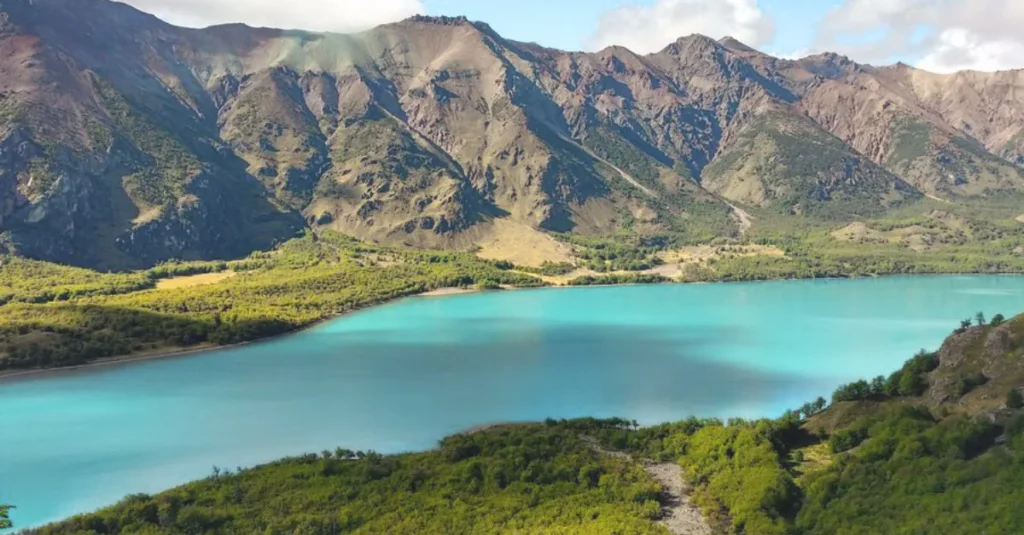
In the Aysén region, this sector provides a transition from the steppe to the woods. The scenery is colourful and varied, with the impressive Valle de la Luna formations.
Huemul Circuit (El Chaltén, Argentina)
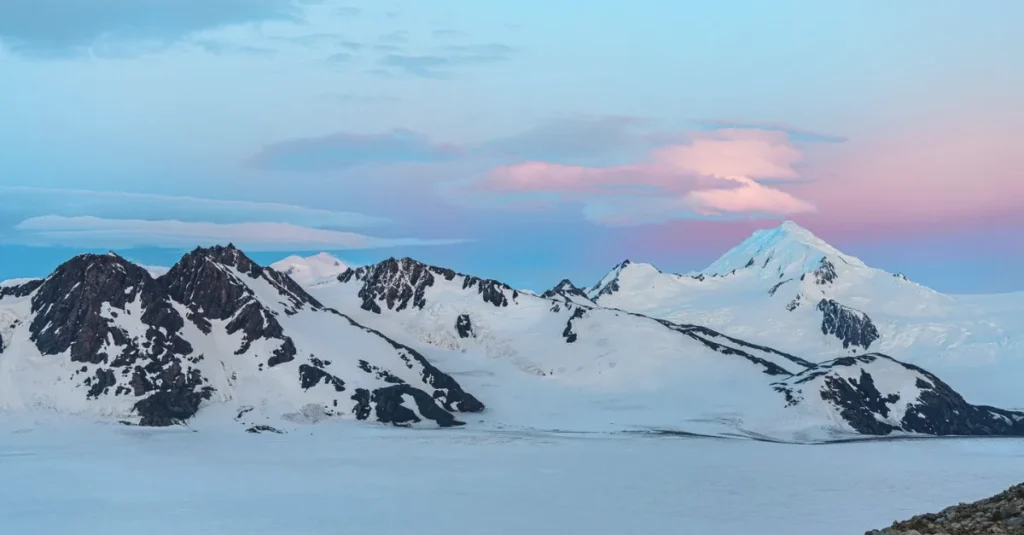
A challenging four-day hike that involves a Tyrolean traverse (pulling yourself across the river with ropes). It pays off hikers with stunning views of the Southern Patagonian Ice Field that day-trippers never get to see.
Conclusion
Patagonia Hiking is more than a vacation; it’s an odyssey to the end of the earth. It pushes, and it rewards with vistas that often appear almost out of this world. Whether you’re conquering the Torres del Paine hike or searching for a hidden valley in Aysén, it’s impossible to forget the wind, ice, and Andes.
Begin planning, train well, and show respect to the wild. The trail awaits.