Forehead reduction surgery is a procedure in aesthetic plastic surgery to reduce the size of the forehead imperatively by lowering the hairline. This procedure excises a portion of skin from the upper forehead, below the hairline, and advances the scalp in order to achieve better facial symmetry.
This article provides a complete guide to forehead reduction surgery. We will discuss the surgical approach, what happens during surgery and recovery, and potential risks as well as benefits. We’ll also discuss price, alternatives, and important tips for selecting a qualified surgeon so you can end up with a safe, successful result.
What is Forehead Reduction Surgery?
Forehead reduction surgery, or hairline-lowering surgery, is intended to lower the distance between your eyebrows and hairline. Those with a naturally raised hairline or excessive forehead size might be unhappy about their facial proportions. This process aims to correct this directly by taking the hairline and moving it down on the forehead physically.
While hair transplants can require months or even years to get an idea of the full results, forehead reduction Surgery gives instantaneous results. The idea is to come up with more pleasant facial symmetry, and this gives its upper part a permanent high forehead appeal. Psychologically, the benefits can be considerable, increasing self-confidence and self-esteem by allowing someone’s aesthetic desires to match their appearance.
How Forehead Reduction Surgery Works
It’s a process that is performed once with anesthesia. The incision and how much skin to remove are carefully planned by the surgeon in order to create a natural outcome.
Single-stage surgical advancement is the most widely used one. The incision is made at the border of the existing hairline and is designed so as to be hidden by subsequent hair growth. A piece of forehead skin, one to three centimeters wide, is cut out. The Scalp is lifted and mobilized in a forward direction to meet the revised, lower cut made. The incision is sutured together at this point. In the situation of surgery, then dissolvable bone anchors may be utilised to stabilise the scalp in its new position and reduce tension on the closure wound, optimising scar healing.
Forehead Reduction Surgery Procedure and Administration
Forehead Reduction Surgery is a specialized, advanced procedure, and it should only be carried out by a surgeon who has board certification in facial cosmetic surgery or plastic surgery with great experience.
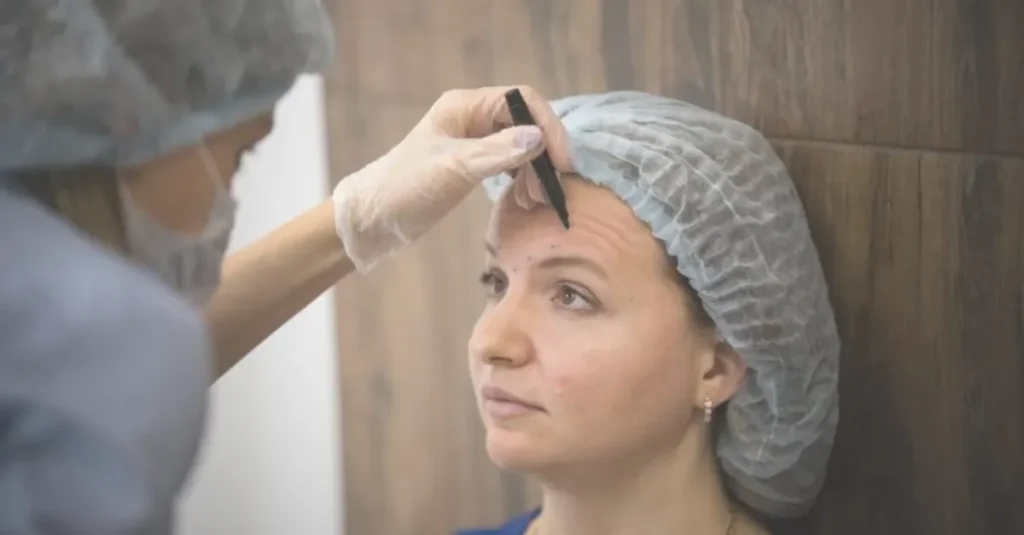
Surgery is an outpatient procedure done in the operating room and lasts two to three hours. This is commonly performed under general or local anesthesia with sedation for the patient’s comfort. The surgeon will follow the planned markings to make an incision, excise the extra skin of your forehead, and reposition the hairline during surgery. The incision is then closed with careful suturing, resulting practicing tissue with scarring as little as possible.
Recovery and Aftercare
The days after forehead reduction surgery are critical for determining what the result will be. For most patients, there will be some swelling, bruising, and discomfort in the first few days, but this can be controlled with medication prescribed by your surgeon.
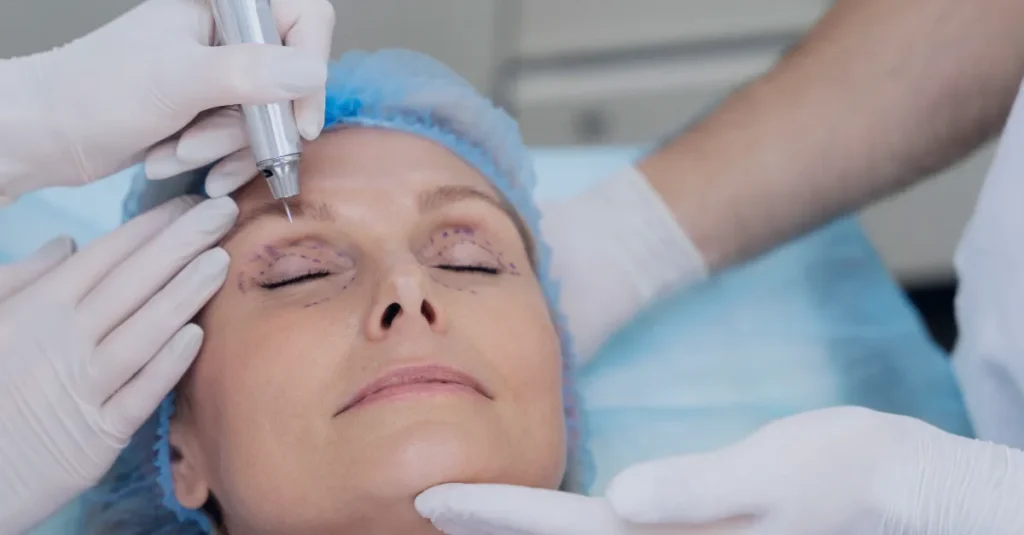
A dressing will cover the incision and is generally removed after a few days. They often tell the patient(s) to sleep with their head elevated, a technique used to reduce swelling. Sutures are usually taken out around 1 week postoperatively. The average patient can return to work and light activities in one to two weeks, but they should avoid vigorous exercise or heavy lifting for at least four to six weeks. Initially, the scar will be a pink flat line; however, over months and sometimes even years, the scar will become thin, pale, and often almost invisible within the hair-bearing scalp.
Risks and Side Effects, Safety Risks
As with all surgical procedures, there are risks and side effects involved in forehead reduction. Temporary common side effects are swelling and bruising; temporary numbness in the scalp and forehead that lasts from a few days to several weeks; and temporary shock hair loss, or shedding of transplanted and surrounding hairs lasting two to six months.
More serious but less frequent complications can be infection, bad scarring with delayed wound healing, noticeable scars, loss of symmetry, or altered sensation in the scalp. There is some risk of damaging the nerves that control the movement of the brows, but when done by a skillful surgeon, this is very unlikely. The most important factor in reducing these risks is the selection of a board-certified surgeon who performs surgery in an accredited facility.
Forehead Reduction Surgery Expected Outcomes and Results
Forehead reduction recovery time. The results of a forehead reduction procedure are instantaneous and permanent. Extra bone in the forehead presumably leaves extra space between the hairline and upper edges of your eyebrows, which can make it look higher than other people’s foreheads. People will see a shorter forehead and a lower hairline immediately after surgery, but once the swelling goes down, you’ll even out more. The objective is to achieve a harmonious, ‘un-operated’ facial balance.
Surgical success is largely a function of the skill of the surgeon and the individual patient’s anatomy, such as scalp laxity. A second treatment (hair grafting) can sometimes be advantageous to add detail to the hairline or hide a scar. Patient satisfaction over the long run is usually very positive, as shown in many clinical studies, followed by an increase in self-esteem.
Forehead Reduction Surgery Cost and Availability
The price for forehead reduction can vary significantly due to the surgeon’s experience, where you live , and how extensive you would like the treatment. It is typically around 8,000-15,000 on average. This fee generally covers the surgeon’s fee, the cost of anesthesia, and the use of the facility. Insurance doesn’t cover it if undergone for cosmetic reasons.
This surgery may be more or less common from one place to another. This is more commonly done in urban environments with a larger number of facial plastic surgeons focused on such details.
Alternatives to Forehead Reduction Surgery
Surgery, while the most dramatic and immediate solution, isn’t your only one.
Hair Transplantation: This uses hair follicles harvested from the back of the head to restore a new and lower hairline. It’s less invasive, but it takes significantly longer to see any results and may require multiple visits.
Brow Lift: Sometimes you have a high forehead with low-lying brows, so for some individuals automated brow lift is an appropriate procedure. This operation lifts the brows and, therefore, can indirectly decrease forehead height.
Botox: “A series of tiny little microdrops of Botox placed strategically can temporarily make the forehead look as though it’s shorter by changing the position of the eyebrows a smidgen, a smudge,” Ms. Marmur said.
Selecting a Surgeon and Practicing “Safe Surgery.”
This article sheds light on the most important consideration for safe and effective hairline reduction , which is choosing your surgeon wisely.
Check Board Certification: The doctor you choose should be a board-certified plastic surgeon or facial plastic and reconstructive surgeon.
Assess Before-and-After Photos: Request a gallery of the surgeon’s works on people who had comparable facial features to yours.
Ask About Experience: Ask about the number of forehead reduction surgeries they have done. It is a highly skilled operation.
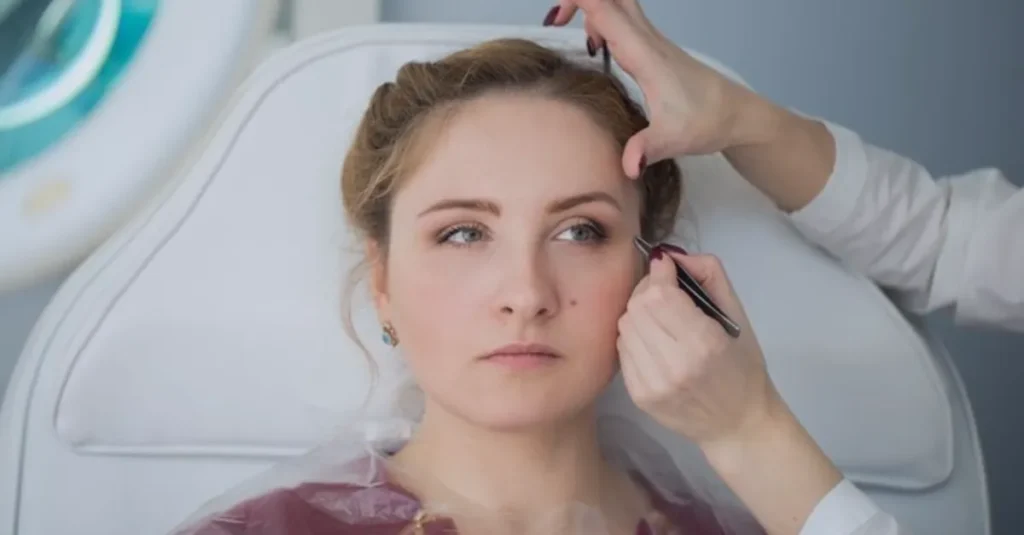
Complete Consult: A good surgeon will take the time to do a complete consult that includes evaluation of your risk and benefit, what can be realistically achieved, and possible complications.
Research Gaps and Future Developments
Although forehead reduction surgery has been a proven method of treatment, there are still processes to be developed. Work continues to improve methods of flattening the scrotum while also shortening the duration of healing. One such line of development is endoscopic techniques, which will minimize incision sizes. Patient satisfaction in the long term and scar development over many decades are still areas for more extensive research. New advances in the future may involve combining surgical principles with regenerative medicine to enhance healing and minimize scar formation.
Conclusion
If a forehead reduction surgery is desirable to you and you want to have a more appealing, better-proportioned face by bringing down that high hairline. It is a permanent solution for male patients that provides an immediate one with lasting results. It’s quite a major operation and has its potential complications as well as a long recovery post-operatively.
If you are thinking about this procedure, the single most important next step is to book a consultation with a board-certified plastic surgeon who has worked extensively in that area. They will be able to offer a tailored assessment, talk you through your cosmetic goals, and establish whether forehead reduction surgery is the best option for you.