For the farmers, foodies, and kitchen crafters among us, corn season is eagerly awaited each year. Fresh. Whether you pick it up at a farmers’ market or at the grocery store, fresh corn is one of the most planted crops around, and its sweetness and year-round versatility add to everything from soups to salads. If you’re picking up fresh corn at the market.
Grilling some over a grill, or even preserving it to use in the future, there are plenty of ways to enjoy your fair share of the crop during summer. In this article, we’ll let you know everything you need to know about corn season, including when it starts and the ideal ways to enjoy it during its flavor peak.
What is Corn Season?
Corn season is a phrase used to designate when it’s corn harvest, and you can find them in abundance, especially the fresh types like sweet corn. This time is subject to regional, climatic, and a variety of maize types. Normally, corn is quite different compared to this as the crop is typically planted in spring and harvested through summer or early fall, and different regional areas have their prime season at distinct times. I think of the corn season in three flavors: early, peak, and late.
- Common dates for early corn season include late spring to early summer, and it may be shipped in from warmer climates or grown in a greenhouse.
- When the crop is at its peak and most plentiful, you can find it in mid-summer into early fall, depending on where in the country or world you are.
- Late-Corn season can be stripped as late as fall, though quality may suffer if it gets too cool.
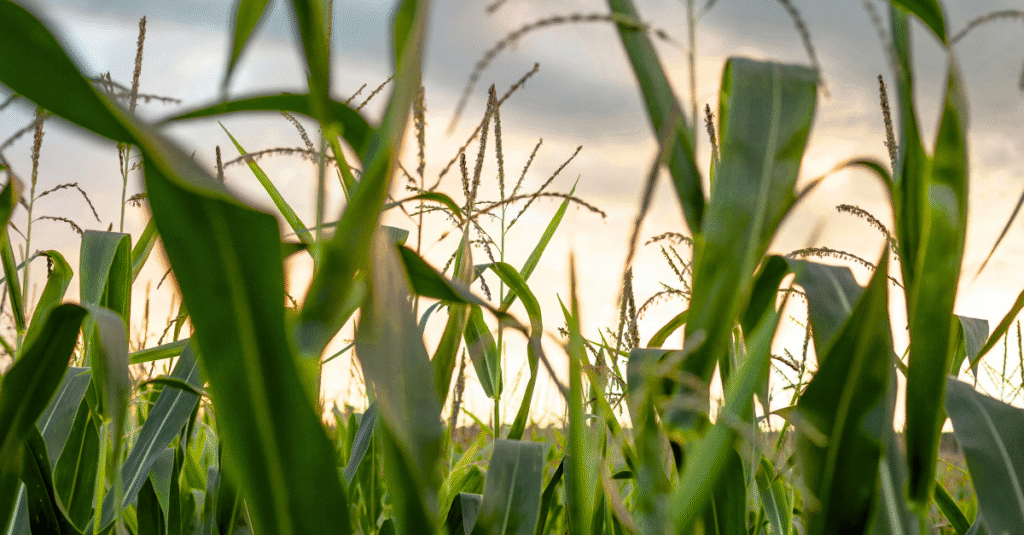
When Is Corn Season, Exactly?
Corn season typically kicks off in the warmer months and can begin even as early as late spring for places with warm climates. Fresh Corn season is in between June and September for the majority of North America, although some areas have a harvest season that runs into October. But climate and growing conditions can influence corn season timing, so it’s helpful to check local harvest schedules.
- Corn can be found in the Southern U.S. as early as April or May and not until late June or early July in the North U.S and Canada.
- In tropical zones like portions of Mexico, year-round growth is available (holistically harvested by weather and geography).
Best Time to Buy Fresh Corn
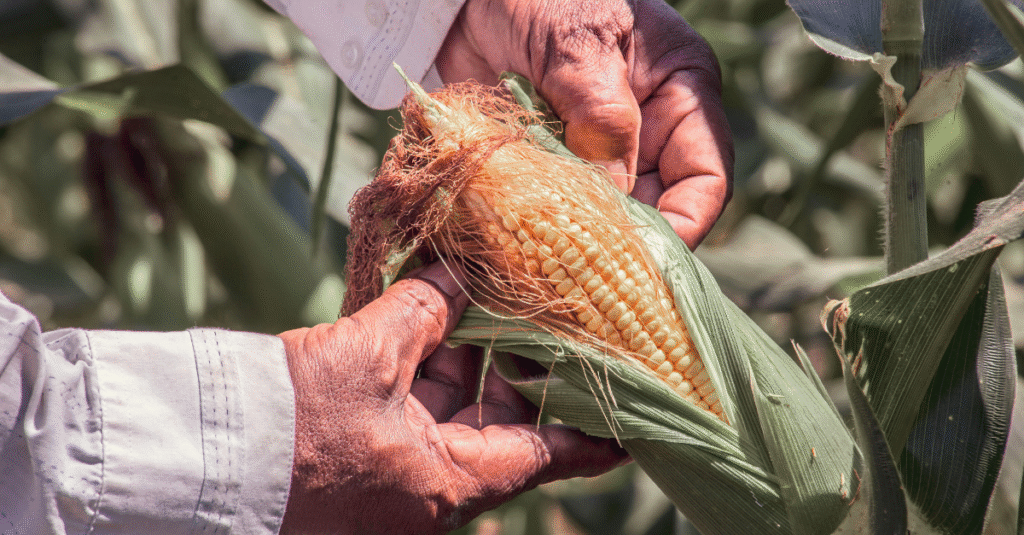
The best time to purchase fresh corn is when it’s truly at its peak, that is, plentiful and tasty but also inexpensive. To make sure you’re choosing fresh corn, do some poking around for signs of recent harvesting:
- Green husks: Husk should be green, closed, and have no brown markings.
- Pouchy kernels: Kernels should look plump and feel bouncy when you press on them.
- Silk condition: The very tip of the ear should have brown, dry silk on it (not slimy and molded), if sticking to your plant’s leaves.
Farmer’s markets, corner grocery stores, and roadside stands are where you will find just-harvested corn in abundance at the time of its peak season.
Health Benefits of Eating Corn
Corn is not only tasty, but it also has numerous health benefits. Some of the highlights on nutrition when consuming corn include:
- Rich in fiber: One of the best reasons to add some fresh corn to your diet is that it’s high in dietary fiber, which supports healthy digestion and can help manage blood sugar levels.
- Packed with antioxidants: Like lutein and zeaxanthin, antioxidants found in corn, which promote healthy vision and can lower the risk of age-related macular degeneration.
- Vitamins and minerals: Corn is a source of several important vitamins, including certain B vitamins (thiamine and folate), along with vitamin C, which help promote energy creation and immune health.
- Low fat: Corn is also naturally low in fat and does not include cholesterol, making it diet-friendly.
Different Varieties of Corn
There are all different types of corn for different uses and flavors:
- Sweet corn: The variety of corn most commonly eaten, with sweet, soft kernels. It’s typically fresh, on-the-cob eats or is built into salads and soups.
- Popcorn: A type of corn with small kernels that burst open when heated. Popcorn is one of the most popular snacks when it comes to movie nights or simply as a light snack.
- Field corn: This corn is largely destined for animal feed, cornmeal, or industrial products like ethanol. It is harder in texture than sweet corn.
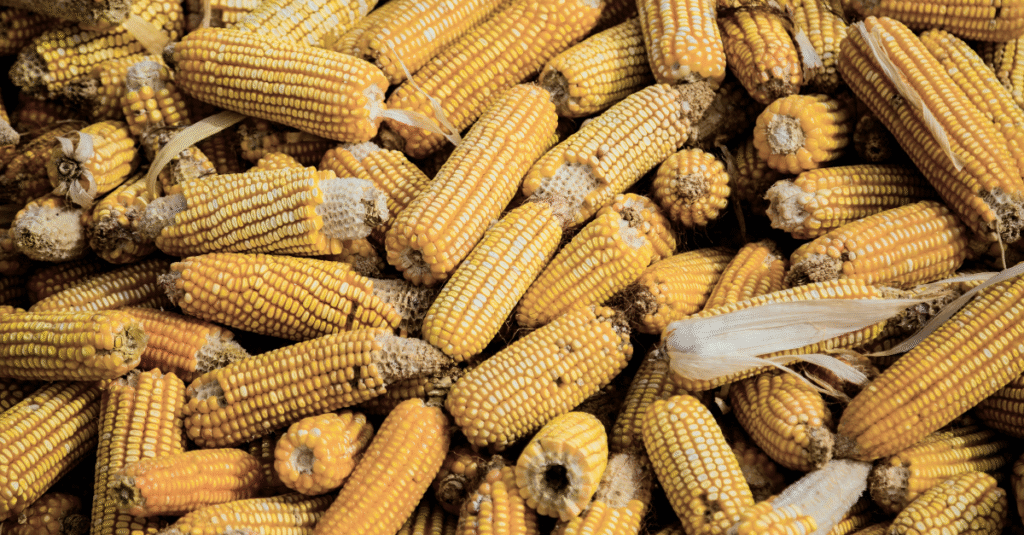
- Flint corn: Named for the colorful kernels it produces, flint corn is typically ground into cornmeal and shows up most frequently in those bags of decorative ears of fall.
How to Choose Fresh Corn
Picking the perfect sweet corn is essential to savor the freshest flavor. How to pick the best fresh corn: Here are some tips for selecting fresh corn:
- Spot some green husks: The husk should be fresh and green, not dried up or yellowed.
- Check the kernels: When you pull back the husk a little, your kernels should look full and properly developed.
- Feel it: A good ear of corn should feel heavy for its size. If it feels light, the kernels might be underdeveloped.
- Passes on corn with damaged silk: Brown, dry silk is a positive indicator, but black, wet, or moldy silk suggests you should leave it be.
How to store corn and keep it fresh longer
Sweet corn is also at its peak flavor within a few days of being harvested, so if you don’t plan to eat it right away, there are several ways to either store fresh corn or preserve its fresh flavor:
- Storage: Keep fresh, unhusked corn in the refrigerator. When stored appropriately, corn can stay fresh for 2-3 days.
- Freeze: Corn is also great for freezing. Shuck the corn free of its husk, blanch it in boiling water for 4 to 6 minutes, then cool it down in ice-cold water before placing it in airtight bags for flash freezing.
- Drying: You can also dry corn to use in soups and stews, or as a snack. Just husk the kernels, dry them in a dehydrator or on a counter in the sun, and store them for a year in an air-tight container.
How to Cook Corn (Boiling, Grilling, and Roasting)
Corn is easy to cook, and there are plenty of ways to do it:
- Boil: Fill a pot with water, add the corn, and cook for 5-7 minutes (or until it’s tender) once boiling.
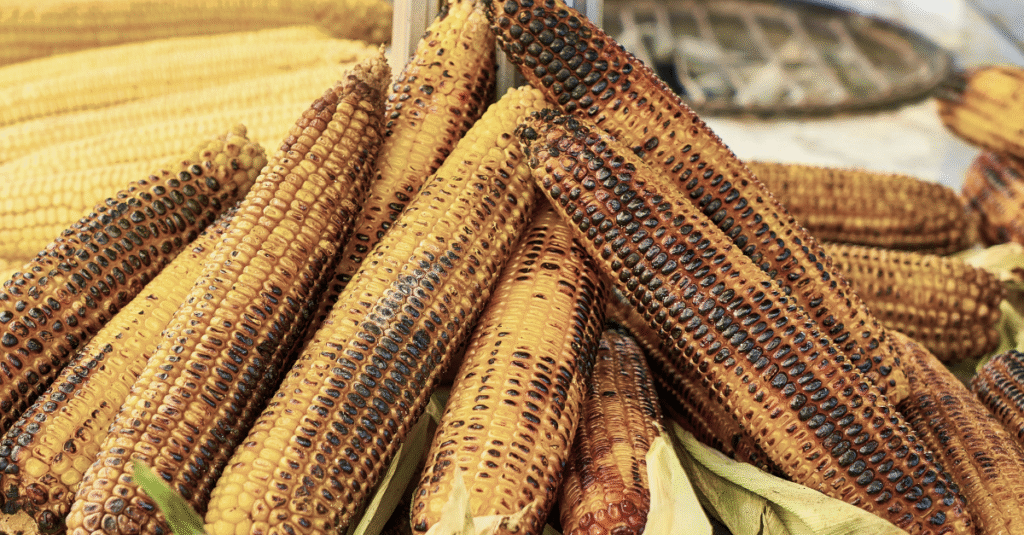
- Grilling: Corn on the cob may be grilled with the husk on or off, for a smoky taste. Barbecue for 10-15 minutes, turning once or twice.
- Roasting: Roast the corn in the oven at 375°F for 20-25 minutes wrapped in foil, or directly on the rack for a crispy exterior.
The Impact on the Environment of Corn Production
Although corn farming is crucial for global food systems, it does come with environmental costs. Some of the concerns include:
- Corn use-cases: What about water usage? Corn is a thirsty plant, especially in areas where it needs to be irrigated. Ie, we need better farmers [and, y’know, practices] so we don’t waste water.
- Monoculture farming: Planting corn as a monocrop can deplete the soil and cause susceptibility to pests and diseases.
- Fertilizer and pesticide usage: Overuse of artificial fertilizers and pesticides may lead to soil as well as water pollution, causing harm to local ecologies.
To minimize the environmental effect of corn farming, sustainable agricultural practices can be implemented, including crop rotation and organic farming.
The Significance of the Corn Season in Farming
Corn season is an important time of year for agricultural economies, especially in regions such as the United States, China, and Brazil, where corn production is significant. Corn is both a staple food for humans and livestock, as well as producing fuel (ethanol, etc.) and other products used in industry. Farmers need to time the corn harvest properly in order to meet market demand and make a profit.
Conclusion
Corn season is the time of year when fresh, delicious ears make their way to tables everywhere. From the nutritional value to versatility in cooking, corn is a culinary mainstay. Whether you’re chowing down on the cob, grilling it up at a summer BBQ, or preserving some for the winter months, there’s so much to love about corn season. Definitely get fresh corn when it’s in season, try out several recipes, and think about sustainable ways to enjoy this tasty crop that supports the environment.