Longevity spinach has grown popular among the health community in recent years and is claimed to help enhance one’s health, lifespan, and overall well-being. The good news is that this nutrient-dense plant deserves to be in the limelight for good reason. In this post, we’ll take a deep dive into what longevity spinach exactly is, what its nutritional composition is like, how it helps to support our health and well-being according to science, and some ideas about how you can add it into your diet.
What is Longevity Spinach?
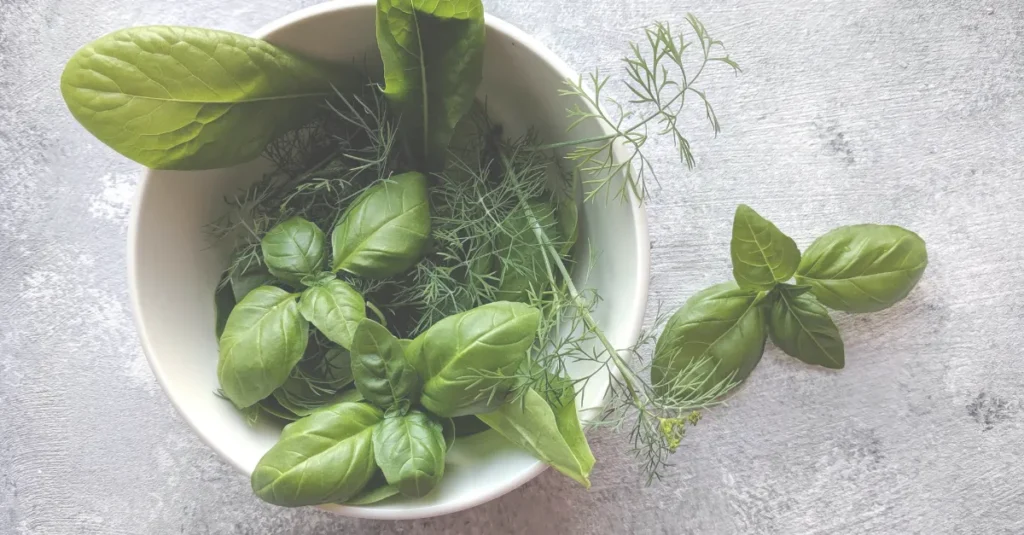
Longevity spinach (Gynura procumbens), also known as the “longevity spinach” or “longevity herb,” is a green leafy plant that grows in Southeast Asia. Its medicinal properties are so well known that it has long been used in the past for longevity, health, and treating various conditions. The plant has dark green leaves with purple reverse and is commonly used fresh in salads or in juices and smoothies. Its “superfood spinach” status is justified by its high concentration of nutrients and potential medicinal properties - something that also brings about increased commercialisation.
Benefits of Longevity Spinach
Longevity has been linked to several health effects, many of which are currently being studied by scientific researchers. Some benefits which are most commonly reported are the following:
- Anti-Aging Properties: The plant is loaded with antioxidants and compounds that can help lower oxidative stress, possibly slowing the aging process.
- Boosts immunity: Good source of vitamins and minerals, longevity supports a healthy immune system, which protects our body from infections.
- Boosts energy: Consuming this herb may boost energy levels, as a result of its nutrient content, which increases general well-being.
- Promotes Heart Health: Some research indicates that longevity spinach can help lower blood pressure and support your cardiovascular health.
Nutritional Profile of Longevity Spinach
Longevity Spinach is a nutritional powerhouse. The leaves contain vitamins A, C, and E, which are collectively beneficial for your skin health, immune system, and antioxidant support. It is also packed with minerals like iron, calcium, magnesium, and potassium that benefit bone health, muscle function, and fluid balance.It is not only high in dietary fiber to support digestive health, but it also contains several bioactive compounds believed to have a beneficial impact on blood sugar levels.
How Longevity Spinach is Good for You
The health benefits are mainly attributed to its high antioxidant concentration. These antioxidants can neutralize free radicals in your body, which helps combat oxidative damage that contributes to aging and chronic diseases. Certain plant compounds in the plant, for instance, flavonoids and polyphenols, may also support healthy blood flow, decrease inflammation, and balance cholesterol. It’s the perfect combo of benefits to help you lead a healthier life and reach your personal goals for overall health.
Growing and Harvesting Longevity Spinach
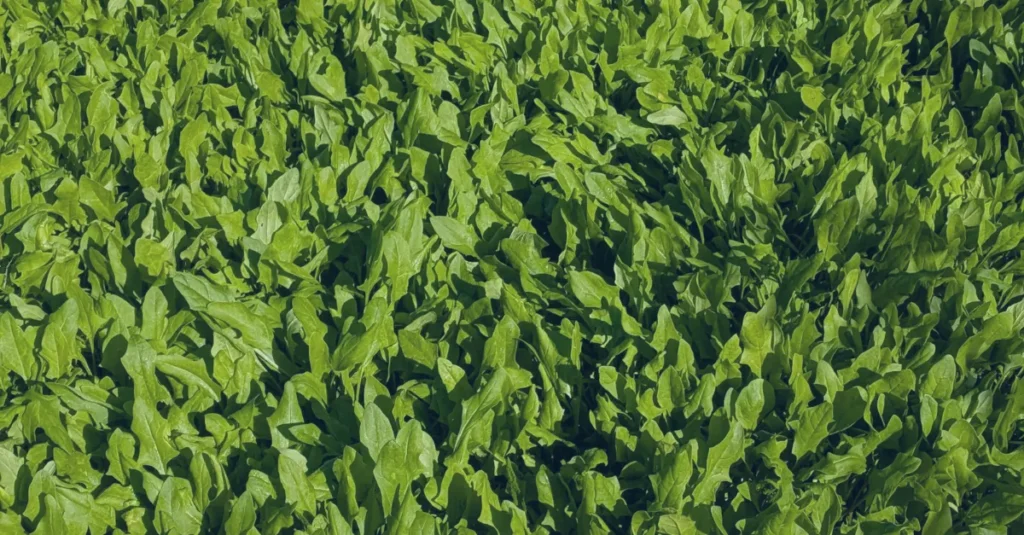
It’s simple to grow at home. It is typically grown in warm, tropical climates but can be farmed indoors or in greenhouses in cooler areas. The plant likes well-draining soil and should be watered on a regular basis, but don’t overdo it. To pick, just snip off its leaves when mature, and more will quickly grow back. Frequent pruning ensures the plant stays healthy and new, soft leaves grow.
Side Effects and Risks
While longevity is considered safe for most people, there are a few potential side effects and risks to consider. The plant can also interact with certain medications, especially those targeting blood pressure or blood sugar levels, so be sure to consult a health care provider before adding it to your diet if you are on such medications. Moreover, some individuals may have a slightly upset stomach if they ingest too much of the herb. Pregnant or nursing women should err on the side of caution and consult their physician prior to incorporating longevity spinach into their diet.
Cost, Availability, and Quality
Longevity spinach can often be found at most health food stores, either fresh or in supplement form. The price might vary according to location and type (fresh leaves, dry leaves, or capsules). Fresh longevity spinach can cost less in areas where it is grown and sold, but supplements may be more expensive as a result of processing and packaging. If you are considering a supplement, it’s also important to make sure and check the quality of the product as well as that it comes from a reputable supplier in order to avoid getting contaminants.
Evidence of Effectiveness
Studies on the health-promoting effects of longevity spinach are quite premature, and most actually center on its antioxidant and anti-inflammatory qualities. Although early indications suggest that the plant can provide great health benefits, larger and more extensive clinical trials are required to substantiate these effects. A few studies suggest that longevity spinach can lower the risk of chronic conditions, like heart disease and diabetes, but more research is needed to fully understand its potential.

Longevity Spinach vs Other Superfoods
So how does longevity spinach fare when compared to other superfoods, let’s say like kale, spirulina, or moringa–well, not even those guys are geared towards exactly contributing to one’s longevity or anti-aging lifestyle. Although kale and moringa contain a high amount of vitamins and minerals, LSP has different bioactive phytochemicals that appear to provide extra health benefits, probably with oxidative stress-lowering effects. However, unlike spirulina or moringa, longevity spinach is commonly found fresh and integrated into your everyday meals.
How to eat Longevity Spinach
There are numerous ways in which you can add spinach to your daily meals. Some easy methods include:
- Blend Fresh Leaves In a smoothie: You can add fresh leaves of longevity spinach in your smoothie with fruits such as bananas and berries added to provide a splash of almond milk – very tasty.
- In salads: Toss fresh greens in a salad, such as both crunchy leafies with other leafy vegetables and nuts, and a light vinegar dressing.
- In soups or stews: Throw longevity spinach into summer soups or stews just at the end of cooking time for a boost of nutrients.
- As tea: You can also boil longevity spinach leaves in hot water, as a herbal tea that has a calming effect.

Research Needs and Prospects for Longevity Spinach
Although recent studies have identified many encouraging health-promotive effects of longevity spinach, issues remain about its potential hazards. Future research should target the plant’s potential for specific health conditions, e.g., lowering the risk of age-related diseases (e.g., Alzheimer’s and cancer). Investigators should also investigate how the nutritional profile and bioactivity of the plant are impacted by various cultivation types.
Conclusion
Longevity spinach is a fascinating superfood and nutrient-rich plant that could provide a # of health benefits, including better immunity, heart health, and anti-aging. Even though further research is necessary things to know all of its long-term effects, adding the herb to your diet could be a good move for better health. Whether eaten fresh or taken in supplement form, longevity spinach is both convenient and a potent enemy of common health issues.