Jumping Spider Pet is an intelligent, small-sized arachnid that belongs to the Salticidae family, recognizable by its sometimes big and adorable (but more often menacing) eyes and leaping capabilities. Now these little critters are enjoying a comeback, increasingly kept as an easy-to-care-for and interesting pet that offers a different perspective into the world of invertebrates. In this guide, we’re going to cover everything you need to know about raising your new eight-legged pet, from setting up the ideal living environment for it to learning all about its fascinating behaviors.
What is a Jumping Spider Pet?
Jumping Spider Pet are a large and diverse group that includes more than 6,000 species worldwide. Jumping spiders do not construct webs to trap their prey like many other spiders. They hunt prey using their superb vision to focus on food before pouncing on it. For pets, they are treasured for their playfulness and curiosity. They’re also the owner of giant, bulging front-facing eyes, which means they track movement very keenly and are arguably more interactive than most invertebrate pets. With their petite size, bright hues, and relatively easy care necessities, they make an ideal pet for beginners as well as more advanced hobbyists.
The Advantages of Keeping a Jumping Spider as a Pet
There are some good reasons to have a jumping spider pet. And they require very little in terms of care, making them perfect for anyone with a hectic schedule or a small home. You’ll never have to walk them, nor will you fear guns or loud noises. Their behaviour is endlessly interesting. Watching a Jumping Spider hunt, inspect its habitat, or construct that minuscule silken bed for sleep is an uplifting experience. They are easy to take care of and, as such, make a perfect choice if you’ve never had an exotic pet spider before – one of the best types of pet spiders for beginners!
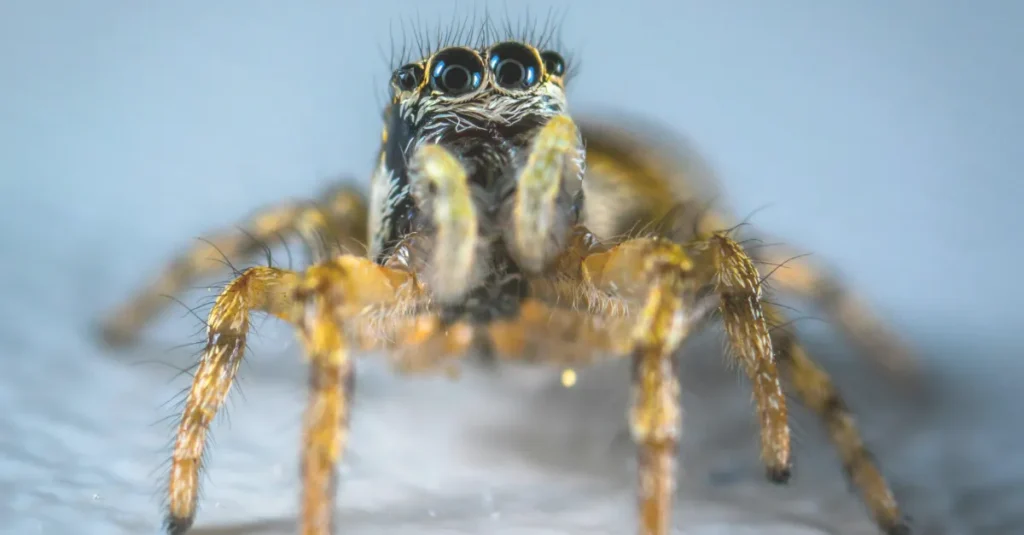
Jumping Spider Pet Care Guide
The best care for Jumping Spider Pet will involve the right environment, diet, and interaction. They are not high-maintenance, but they do need to be cared for properly in order to ensure that they lead healthy lives. As for your main duties, you need to give the other room where can is safe, on a regular basis, with proper meals, humidity, and a comfortable temperature. Their care each day takes just a couple of minutes, and unlike larger/ more in-depth pets, most people have time to spare with them.
Housing and Environment: What Your Jumping Spider Pet Will Need
The Jumping Spider Pet environment has to be perfect for your jumping spider to thrive. The softer, the better is ideal, considering you’ll trap a small mushroom cloud on an island with a protective case. A lot of keepers use decorative cross-ventilated acrylic or glass terrariums, commonly found for small invertebrates. A 4x4x6-inch enclosure is a good starting size for an adult.
The habitat needs to have things for the scorpion to climb on or hide in, like small sticks, silk plants, or cork bark. The substrate can be as basic as coconut fiber or a paper towel, which aids in holding some humidity. Jumping spiders like it warm, though they can tolerate temperatures between 70-85°F (21- 29 °C) as well as moderate humidity. Misting one side of the enclosure with water every few days should provide all the drinking intake caterpillars will need and takes into consideration humidity.
Feeding Your Jumping Spider Pet
Jumping Spider Pet are insectivores and have a good appetite. What type of food you should offer depends on the size of your spider. Spiderlings and juveniles require smaller prey, such as fruit flies (Drosophila melanogaster or Drosophila hydei). As they get older, you can give them bigger food, like small crickets, mealworms, or even waxworms.
For an adult, feed one or two prey items that are a suitable meal size every 2-4 days. Many spiderlings require daily feeding. Do not offer the spider food that is too big, as this can stress or harm your spider. And as always, you should remove any uneaten live prey from your spider’s cage after a few hours because it may end up hurting your spider.
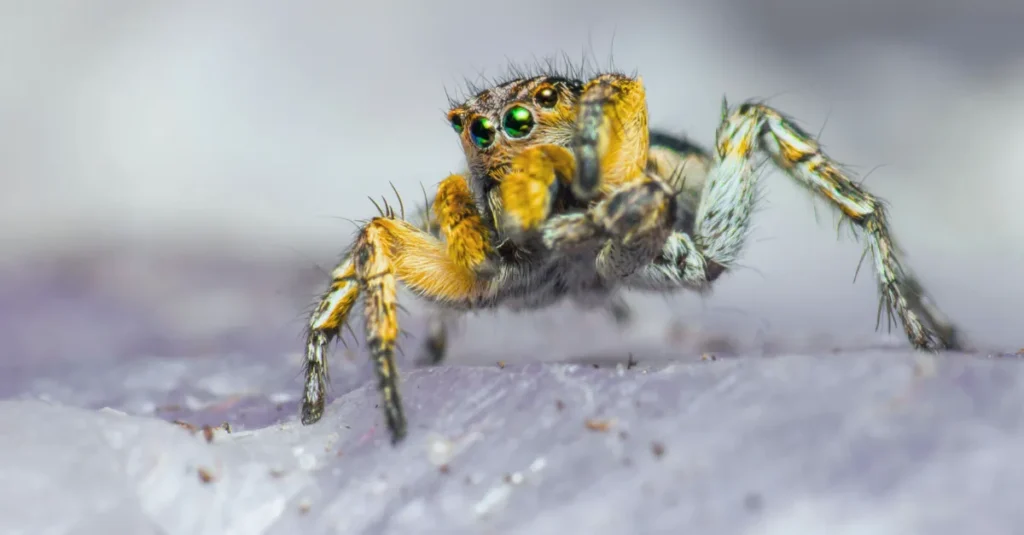
Handling Your Jumping Spider Pet
Jumping spiders are not aggressive, but you need to handle them with patience and care. They are fragile and prone to injury. Rather than scooping them up, try luring them onto your hand. You can encourage them with a soft paint brush or your hand in front of them to walk up on it.
Limit handling sessions to prevent the spider from becoming stressed. Always open them over a soft surface, like a bed or table, in case they make an unexpected jump. Given continuous gentle interaction, many jumping spiders will very quickly become tame and be happy to roam over an individual’s hand or arm.
Health and Safety Concerns
Jumping Spider Pet are usually hearty but can encounter a few health problems. Dehydration is a frequent issue, so regular misting is crucial. A high fall can be deadly as well, so a safe enclosure and cautious handling are necessary.
Another possibility is a mismolt, when the spider has difficulty molting. This is too often due to incorrect humidity. If you see your spider is sluggish, refusing to eat or has a small, shrunken abdomen, it could mean there’s something wrong with it or that it isn’t getting enough water. Keep a clean environment and feed an appropriate diet to prevent disease. They are not harmful to humans as their venom is milder than that of a bee, and is very rare.
Jumping Spider Pets Cost & Availability As Pets
Jumping spiders cost (Not very much!) The spider itself generally runs anywhere from $20 to $70, depending on the species, age, and breeder. The gold or regal jumping spider (Phidippus regius) is a popular one that comes in many different color forms.
Your main costs to set up will be the enclosure and decor, which can be purchased for just under $50. Maintenance costs are low (mainly just food – a culture of fruit flies or a small container of crickets is cheap; and each month or so, you might have to replace the substrate). Jumping spider pets are available in many reputable online breeder stores, at reptile expos, and sometimes also in high-end pet shops.
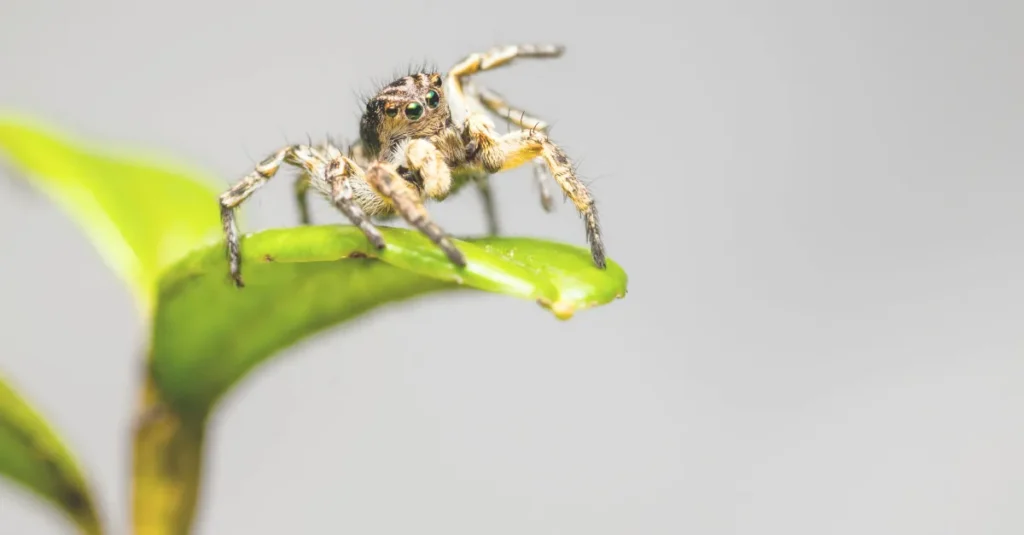
Signs of the Popularity (and Growth) of Pet Culture
In the past few years, jumping spiders have become a social media sensation. Online communities on platforms like Instagram, TikTok, and Reddit are teeming with owners posting photos and videos of their pocket-sized, charismatic pets. She thinks this is why and how pet spiders have been demystified to show their endearing side. Their “puppy-dog” eyes and active antics make them more similar to other animals than they are different from spider-kind – but that is exactly what makes Ferret5’s arachnids so appealing as a quirky take on a pet.
Alternatives to Jumping Spider Pets
If a low-maintenance pet seems ideal, look elsewhere. Another favourite kind of pet spider is a Tarantula. They tend to be bigger and more long-lived than jumping spiders, but are also more frequently inactive and , regardless of what I was going on, less active. Mantises, such as the orchid mantis, make interesting insects and are not difficult to keep, but do not live long. If you prefer to avoid invertebrates, tiny reptiles such as crested geckos may be an option, but they require more sophisticated lighting and heating arrangements. The decision frequently involves what sort of interaction and behaviors an owner wants.
Advantages and Science Behind Jumping Spider Pet Care
Aside from their cuteness, there is a scientific rationale in keeping jumping spiders. Owners witness firsthand the nuances of complex predator behaviors, ranging from stalking to that moment when their beloved pet’s nose is still and they are ready to pounce. They have quite advanced cognitive abilities for their size, problem-solving their way around barriers, and learning by watching. Watching them is a great way to feel connected and demonstrate the ecosystem service of these diminutive predators in insect management. Some research even delves deeply into their distinctive visual systems, potentially sparking innovations in robotics and imaging.
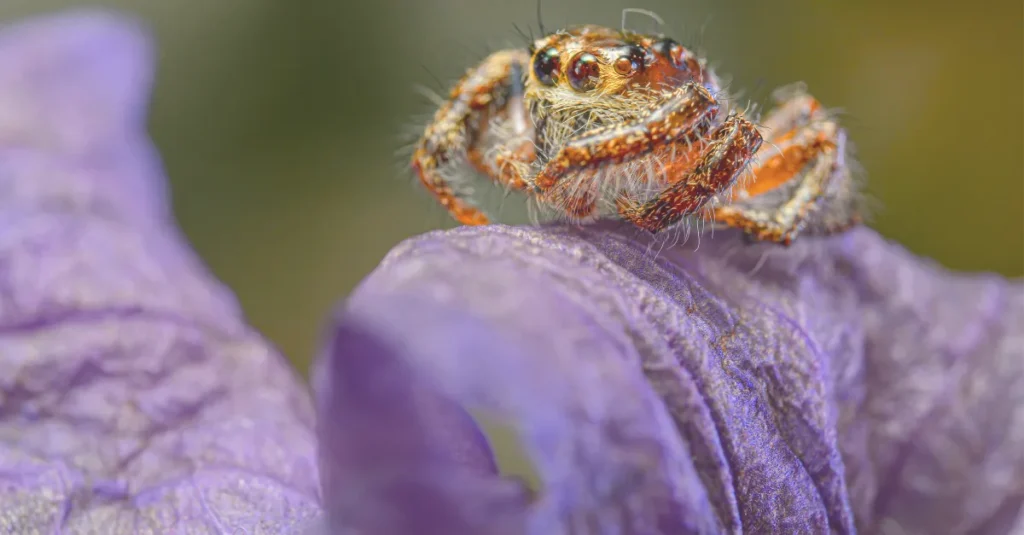
Common Advice for Prospective Jumping Spider Keepers
Once you’ve made up your mind to purchase a Jumping spider as a pet, getting a healthy one is the ultimate determinant. Seek out a spider that is lively, perky, and aware of its surroundings. A healthy Jumping Spider will also have a plump, rounded abdomen that is well-fed and properly hydrated. Do not come into contact with any sluggish, thin- or shrunken-abdomen spiders. Acquiring from an established breeder is always best, as healthy captive-bred spiders can be supplied, and the very valuable husbandry information will always be given.
Conclusion
The life of a jumping spider is brief, often one or two years. Spiderlings need less consistent food, but this also needs to be monitored as they molt and grow. As your spider grows to adulthood, its growth patterns should begin to slow down in pace, and it will establish its requirements. As it nears the end of its life, you may notice less activity and eating. The best gift you can give your pet is a safe, secure home throughout all its stages of life. Always treasure the time you have with these amazing animals.