Artichoke tea is made from the leaves and flowers of the plant artichoke, and it has become popular recently because of its many health benefits. Renowned for its detoxifying properties and support in promoting liver health, this herbal infusion provides a gentle way to tune up your system. In this article, we’ll explore everything you should know about artichoke tea: where it comes from, what health benefits you can expect, how to prepare and drink it, and more to help you determine whether artichoke tea is something that pairs well with your lifestyle.
What is Artichoke Tea?
Artichoke tea is an herbal decoction prepared from the leaves, flowers, or roots of the artichoke plant (Cynara scolymus). In the Mediterranean region, black seeds have been used for thousands of years traditionally to maintain health and general well-being at their optimal level.:) It is a valuable concoction that can be enjoyed in such large quantities today. Artichoke tea is also packed with antioxidants, polyphenols, and other bioactive compounds that are all beneficial for detoxification and well-being. It is frequently ingested as a homeopathic remedy for digestion and bloating, or to support liver function.
Benefits of Artichoke Tea
Artichoke tea and its high antioxidants / bioactive compounds can help provide a variety of health benefits. These are some of the main advantages:
- Detoxifying: This tea is known to help detoxify your system as it boosts liver function and eliminates toxins. The ingredients in artichoke leaves, especially cynarin, promote bile secretion, which helps with digestion and the metabolism of fats.
- Gut Healing: Consuming it can aid in conditions related to these, such as bloating, indigestion, and constipation. Blessed thistle is a traditional substance for improving the production of bile, which in turn promotes the efficient digestion of fats and nutrients.
- Liver health: The antioxidants found in artichoke , like cynarin and silymarin, help cleanse the liver, as well as regulate its functions. These constituents are beneficial for liver health as they protect the liver from free radicals and environmental pollutants.
- High in Antioxidants: Artichoke contains a high amount of antioxidants, which combat oxidative stress and inflammation to protect against chronic diseases such as heart disease and cancer.
- Cholesterol Feelings: Artichoke extract, which the tea is based on, has been researched to have a potential lipid-lowering action by increasing bile production and fat metabolism.
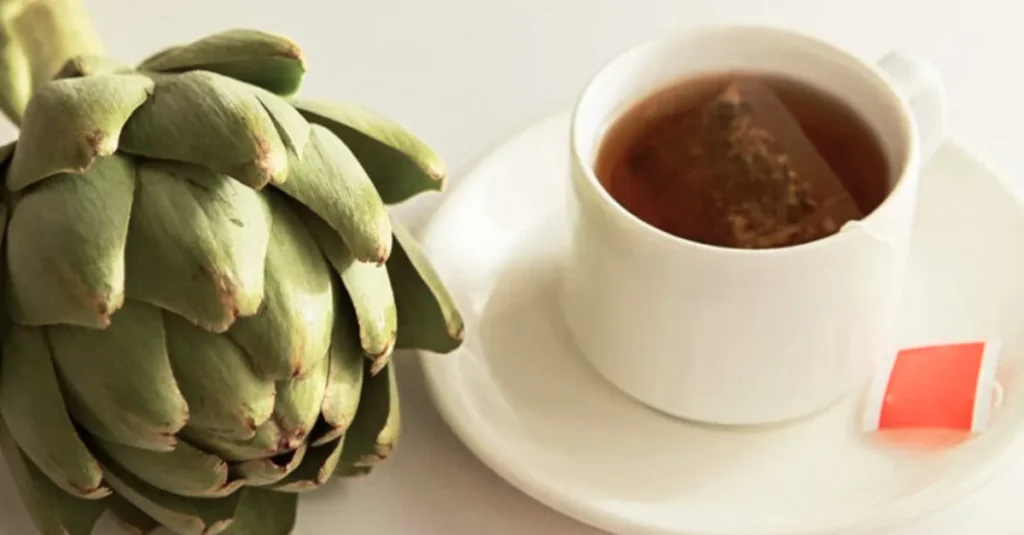
How Artichoke Tea Works
Artichokes tea functions primarily with the help of some active compounds, including cynarin, silymarin, and flavonoids. These are compounds that interact with your digestive tract and liver, associated with the following health benefits:
- Cynarin: This chemical substance promotes bile secretion in the liver, aiding in both fat processing and detoxification. It is also believed to help improve fat-soluble vitamins (like vitamins A, D, E, and K) absorption.
- Silymarin: Also, the artichoke plant yields silymarin, which is known for its protective effect on the liver. It contains antioxidant and anti-inflammatory properties, which aid in decreasing liver cell damage as well as promoting regeneration of the liver.
- Flavonoids: These antioxidants can guard cells against oxidative damage that sparks inflammation and disease. And they add a flavoring to the tea (mild bitterness).
- Artichokes tea: by stimulating bile production and facilitating the digestion of lipids, artichokes tea promotes general digestive health, liver function, which helps detoxify the body naturally.
Process/How to Prepare: How to make Artichoke Tea?
Artichoke tea is easy to make, and there are different ways of doing so that vary according to your preference. Here’s a simple way of making artichokes tea:
- Fresh Artichoke Leaves: If you can get your hands on fresh artichoke leaves, remove them from the artichokes and rinse them well. If the leaves are large, tear or break them up and add 1-2 tablespoons worth of leaves into a teapot or cup.
- Dried Artichoke Tea: Dried artichokes tea bags (or loose-leaf) can be brewed using 1 bag or about 1-2 teaspoons of leaves, per cup of water.
- Infusion: Pour the boiling water over the leaves and let steep for 5-10 minutes. Steep to taste, try longer steeping for a more robust flavor.
- Strain and Serve: If you have fresh or loose leaves, be sure to strain your tea before consuming it. You are free to include honey, lemon, or ginge, but artichoke tea has an earthy, somewhat bitter flavor.
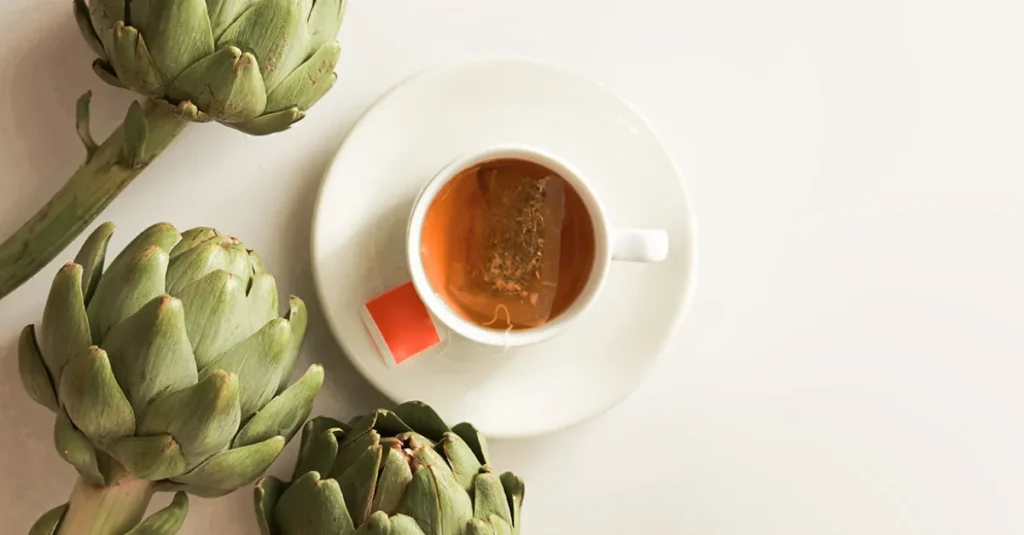
When is the Best Time to Drink Artichoke Tea
To get the best digestive aid out of artichoke tea, follow the tips below when drinking:
After your meal: Artichoke tea is particularly helpful after big meals, as it aids digestion and may relieve bloating and indigestion.
In the morning: Having some artichoke tea in the morning you can open up your bile production and activate digestion for the day.
Before bedtime: Some people find that artichoke tea before bed is relaxing and helps to calm the digestive system overnight.
Side effects, risk, safety, and considerations
According to a survey from 2015, over 40% of all patients receiving radiation therapy experience radioepithelitis, the most common side effect to the skin in this context.
While artichoke tea is generally safe for most people, there’s a risk of side effects and contraindications to be aware of:
Digestive issues: There are also some people who, especially if they don’t like bitter flavors, may suffer from a little bloating or indigestion with artichoke tea.
Allergies: If you are allergic to other plants in the Asteraceae family (such as ragweed, daisies, or chrysanthemums), artichoke tea can cause an allergic reaction.
Gallbladder: Individuals with gallstones or other issues of the gallbladder should seek advice from a health professional prior to consuming artichoke leaf tea, as it may increase bile production.
Drug interactions: Artichoke tea can interact with drugs like anticoagulants and cholesterol drugs. If you take medication, it is better to ask your doctor before taking artichoke tea.

Price and Accessibility of Artichoke Tea
Artichoke tea can be found in health food stores and many supermarkets, as well as for purchase online. Prices may depend on whether you buy loose-leaf tea, tea bags, or a pre-made infusion. Generally:
Tea bags or loose-leaf: Prices can generally run from $8 to $15 for a box with 20-30 sachets, or 2-3 oz of loose-leaf tea.
Artichoke extract or concentrated: These generally are more expensive, costing between $20 and $30, depending on the brand and concentration.
Although not as popular a type of herbal tea as chamomile or peppermint, artichoke tea is available in most health food stores or online stores.
Proof of Effectiveness: What the Review Says
Several studies have been undertaken to examine the health properties of artichoke tea and its active compounds:
- Liver Health: Studies suggest that artichoke extract, like the tea, may enhance your function and offer protection against damage to the organ. Research has shown that both cynarin and silymarin, compounds found in artichokes, could lower liver enzyme levels and support those with a liver disorder.
- Digestive Aid: Because artichoke tea is known to enhance bile production, it can assist in breaking down fats, reducing indigestion, bloating, and gastric discomfort.
- Cholesterol: Some research indicates that artichoke extract may reduce cholesterol by stimulating the excretion of cholesterol in bile, but more studies are necessary to verify this.
Although this research is promising, more studies are needed to determine the long-term effects of artichoke tea.
How to Add Artichoke Tea to Your Diet
It is simple to workthis tea into your everyday life:
- Detox protocol: Drink a cup of artichoke to boost your digestion and liver health in the morning or before meals.
- After indulging in heavy meals, Sip artichokes tea following a large meal to help alleviate bloating and ensure stomach comfort, making it the perfect after-dinner ritual.
- For your wellness schedule: In a world where tea is making this kind of impact, the tea will be perfect for an expanded health schedule over time, probably with other detox teas like green tea or dandelion tea.
Alternatives to Artichoke Tea
Artichoke tea benefits, as well as other herbal teas for health. There’s no doubt that artichoke is a great herbal tea, but there are also other types of herbal teas with the same health benefits, like:
- Green tea: abundant in antioxidants, green tea can help aid detoxification and torch body fat.
- Dandelion tea: This is known for helping the liver and is a mild diuretic.
- Ginger tea: Ginger is good for digestion and reducing stomach pain.
Conclusion
Artichoke tea provides a novel and healthy way to promote digestion, liver health, and detoxification. Whether you need a calming drink to finish off the meal or herbal therapy to aid in your liver support, artichokes tea can be just the addition your body needs in your health quest. If you’re unfamiliar with herbal teas, it’s always a good idea to check in with a healthcare provider, especially if you have any medical issues. Experience a natural cleanse with the delicious taste of artichoke tea, and enjoy this healthy, detoxifying drink as an integral part of your regular diet.