Promotion in Banking is a marketing strategy banks use to attract new customers and retain existing ones by offering financial incentives and promoting certain products. These offers can be cash bonuses, interest rates on loans, or yields on savings accounts.
Banks are competing for your business. You are a product in the financial market. If you are in the market for a new checking account, mortgage refinance, or to start investing, being able to identify these promotional tactics can work in your favor, getting you a better deal and extra cash. In this guide to Promotion in Banking, you’ll learn about how the promotions are put together and what motivates banks to offer them, as well as ways that you might be able to tell a real deal from a fake one.
What is Promotion in Banking?
Promotion in Banking: Banking promotion refers to the different schemes and promotional campaigns followed by banks to make a difference in an overcrowded market. At its essence, the rewards structure is a trade: The bank provides you with something tangible, whether it’s a cash bonus or a boost to the interest rate that lasts only until next summer, in return for your business, loyalty, or for engaging in particular behaviors, like enrolling in direct deposit.
There is also free money or major savings on interest costs to be had for consumers. These are absolutely the types of things banks need to be doing in order to acquire customers for banking. They make up tiers of liquidity that pull in deposits or underwrite the bank’s loan book. Knowing how this works makes it so you can use these offers to YOUR advantage instead of them using you.
Benefits of Promotion in Banking
Both the consumer and the institution benefit from banking offers. The obvious gain for customers is economic! The new checking account sign-up bonus, for example, could be anywhere from $100 to more than $500 in your pocket for a relatively small amount of effort. Introductory APR promotional offers can also help credit card applicants save hundreds of dollars in interest charges.
For banks, these ads mean growth. They grow your brand’s exposure and share of market. Promotion in Banking also inspire cross-selling; a customer who opens a high-yield savings account promo is more likely to take a mortgage or auto loan with that same bank. This networking component is vital for long-term profitability.
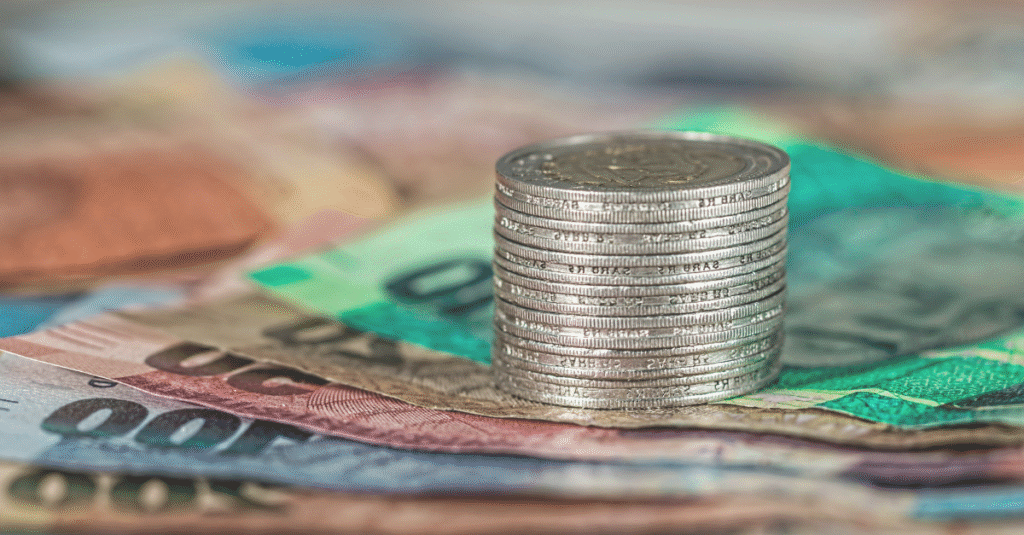
Types of Promotion in Banking
Strategies for Promotion in Banking have adopted a wide range of promotional tools to cater varioussegementof customer needs.
- Sign-up Bonuses: These bonuses are cold, hard cash offered to first-time users who open an account using a minimum deposit requirement or a direct deposit.
- Referral Programs: Banks pay existing customers for referring new clients. One possible downside of using shared accounts if your friend opens the account via a referral link, you both may receive a cash bonus.
- Interest Rate Offers: This consists of high annual percentage yields (APY) on savings accounts or CDs to entice deposits. Or, they may provide a low “teaser” APR on credit cards or loans.
- Rebates and rewards: Credit card deals commonly include tiered cashback incentives based on types of spending, like groceries or travel.
- Fee Waivers: Offers that waive monthly maintenance fees or overdraft fees for a certain period to make the account more appealing.
How Promotion in Banking Work
There are, however, very harsh terms and conditions that come territory, as said from a banking promotion. To be eligible for the reward, a participant must qualify according to certain criteria. In the case of a checking account bonus, this may require opening an account within a certain time frame, depositing a specified amount of “new money” (money that can’t currently be found with the bank), and keeping that balance for a predetermined time frame — say, 90 days.
The bank processes the reward when the criteria are fully completed. This isn’t always immediate; the bonus can take weeks or even months to show up in your account. The banks use automatic systems to monitor these eligibility rules, so that only customers who play by the rules are rewarded.
Conduct and Administration of Promotion in Banking
This coordination between a bank’s marketing, product, and compliance teams is what’s responsible for the management of these campaigns. The marketing team will design the offer to be irresistible, and the product team will need to ensure that the bank can handle the opening of millions of new accounts. “Compliance is crucial,” she said, noting that compliance teams ensure the promotion falls within regulations (such as the Truth in Savings Act, which calls for clear disclosure of terms).
They promote through a variety of media such as digital ads, email blasts, direct mail, and social media. Within the bank, staff learn the details of your offer so they can reply to any customer questions. The process of fulfillment, in other words, actually paying out the bonuses, is usually automated, but it’s observed to keep out fraud and abuse.
How Often and How Long Banking Bonuses Are Available
Promotion in Banking are rarely permanent. They’re sometimes seasonal or dependent on the bank’s fiscal objectives. For example, you may find aggressive savings rate promotions at the start of the year when people are thinking about financial resolutions.
Each offer is time-bound to create urgency. It may be a promotion that runs for a fiscal quarter, or it could be a “flash sale” for just two weeks. That said, promotions are plentiful elsewhere in the industry. That is, if you miss an offer by one bank, chances are another will introduce the same financial incentive not too long after.

Downsides To Banking Bonuses
But the deals are not without strings. One big danger is hidden fees. An account with a high sign-up bonus might also charge a high monthly maintenance fee that will eat into your profit if you don’t maintain a minimum balance.
There are also tight eligibility restrictions. Nearly all offers stipulate “new customers only,” which means if you’ve had an account even in the past year with that bank, you could be ineligible. Also, banking bonuses are generally taxable. If you do receive a 1099-INT at year-end, it means you have to report the bonus to the IRS and may be paying taxes on part or all of your reward (depending on your tax bracket), which effectively lowers the net value.
Promotion in Banking Cost and Availability
The purchase is undertaken at the cost of acquisition for the bank. They are willing to spend $300 for a new customer because they know that the lifetime value of their customers is much higher. The “cost” for the customer is typically liquidity; for up to several months, their cash is tied up in a designated account, and they spend time brokering and maintaining the account requirements.
Availability varies significantly. Nationwide banks like Chase or Wells Fargo frequently have advertisements across the entire country. Though smaller regional banks or credit unions may have more fierce deals limited to in-state residents or even specific zip codes. There may be some geographic restrictions, but banks that are online only and lack bricks-and-mortar branches are usually in a position to consistently qualify with the best high-yield interest rate offers available, thanks to their lower overhead.
Evidence of Effectiveness
The research on financial marketing is clear: Money matters, and there’s a lot of it at stake. Research shows that one in five people change their bank to benefit from better rates or cash offers.
Banks that promote aggressively tend to experience faster deposit growth than banks that built their business solely based on the brand, according to industry data. But the power is not only in acquisition, it’s in engagement. Customers who sign up for rewards credit cards, for instance, typically use that card as their main form of payment, which brings in interchange fees for the bank, helping to cover the cost of offering the reward.
Alternatives of Promotion in Banking
If you would rather not play the bonus-hunting game, there are other strategies to select a banking partner.
- Relationship Banking: Some people decide to stay with a single creditor and build that relationship over time, as they know they’ll get treated better for loan applications, whether or not there’s a particular promo.
- Credit Unions: They typically have lower fees and superior average interest rates compared to big banks, working toward member value and away from insane sign-up bonuses.
- Fintech Apps: Today’s financial apps, with auto-savings tools and early access to wages, often deliver more value and compete on utility, not only a one-time cash payout.
- Loyalty Programs: Snagging points with an array of financial activities can sometimes provide more value than churning and burning for a huge one-time bonus.
The Psychology Behind Promotion in Banking
Banks use the principles of behavioral psychology to make offers too good to resist. The psychology of “loss aversion” is at play here; with so-called limited-time offers, consumers feel they stand to lose free money if they do not act quickly.
Another tactic is “mental accounting.” But framing a bonus as a “reward” and not just interest makes it feel like free money to the consumer, which is more exciting than watching interest payments drip in slowly over time. In addition, once a customer opens an account, the “endowment effect” takes hold. Plus, if they can’t be bothered to switch again once the rate drops anyway, who cares, right?

Regional Variations in Promotion in Banking
Banking is surprisingly local. A “national” bank might have a $300 bonus in New York but just $200 in Ohio, depending on how much the bank has to pay to keep workers with certain skills and how much it costs to live there.
In the US, we have very cash-centric promotions. In other areas, like parts of Europe or Asia, Promotion in Banking are lifestyle-focused, so instead of cold hard cash, they offer a gift of gadgets, travel vouchers, or exclusive access to events. In some emerging markets, promotions are full-on digi-adoption drives: customers get rewarded just for downloading an app, or working through a first transaction digitally.
Emerging Trends in Promotion in Banking
The trend is bubbling toward personalization and gamification. Instead of blanket offers, the banks are deploying A.I. to track spending patterns and dispatch focused micro-promotions. For instance, giving a cash bonus to someone who uses a debit card five times at the supermarket.
Another emerging pattern in financial marketing is gamification. Apps could incentivize users to “level up” their savings to access higher interest rates or something like prize-linked savings accounts, where you get entries into cash drawings just by depositing money. It turns the otherwise unexciting process of saving money into a game, which engages especially younger target groups in the banking customer lifecycle.
Tips for Screening Promotion in Banking
Before you leap into a promotion, run the numbers.
- Calculate the ROI: If you need to tie up $10,000 to earn a $200 bonus over three months, you calculate the annualized return. Is it better than investing those few dollars in a high-yield savings account or the stock market?
- Read the Fine Print: Search for “early closure fees.” Close the account within six months, and the bank could claw back your bonus.
- Check the Fees: Make sure that the monthly fees don’t consume the bonus value. You’ve probably read that advice a thousand times, but it’s still excellent because it’s the truest: If the account is $15 a month and after you keep it for a year, that’s $180 off your gain.
- Value the Effort: Is changing direct deposits worthwhile? All that administrative overhead for perhaps a less-than-substantial financial deposit might not be worth the headache of sifting through and managing all those applicants.
Long-Run Effect of Promotion in Banking on Customer Loyalty
Promotion in Banking are great for getting people in the door, but not for keeping them there. This is what’s known as “churn.” Deal-hungry customers may cancel right after they satisfy the requirements for bonuses.
However, banks bank on inertia. The inconvenience of moving accounts, updating direct deposits, bill pays , and subscriptions keeps many customers loyal by default. The most successful Promotion in Banking is a handshake and ensure loyalty with excellent customer service, user-friendly mobile apps, and competitive ongoing rates. Finally, a promotion can begin an association, but you must continue to provide value to sustain it.